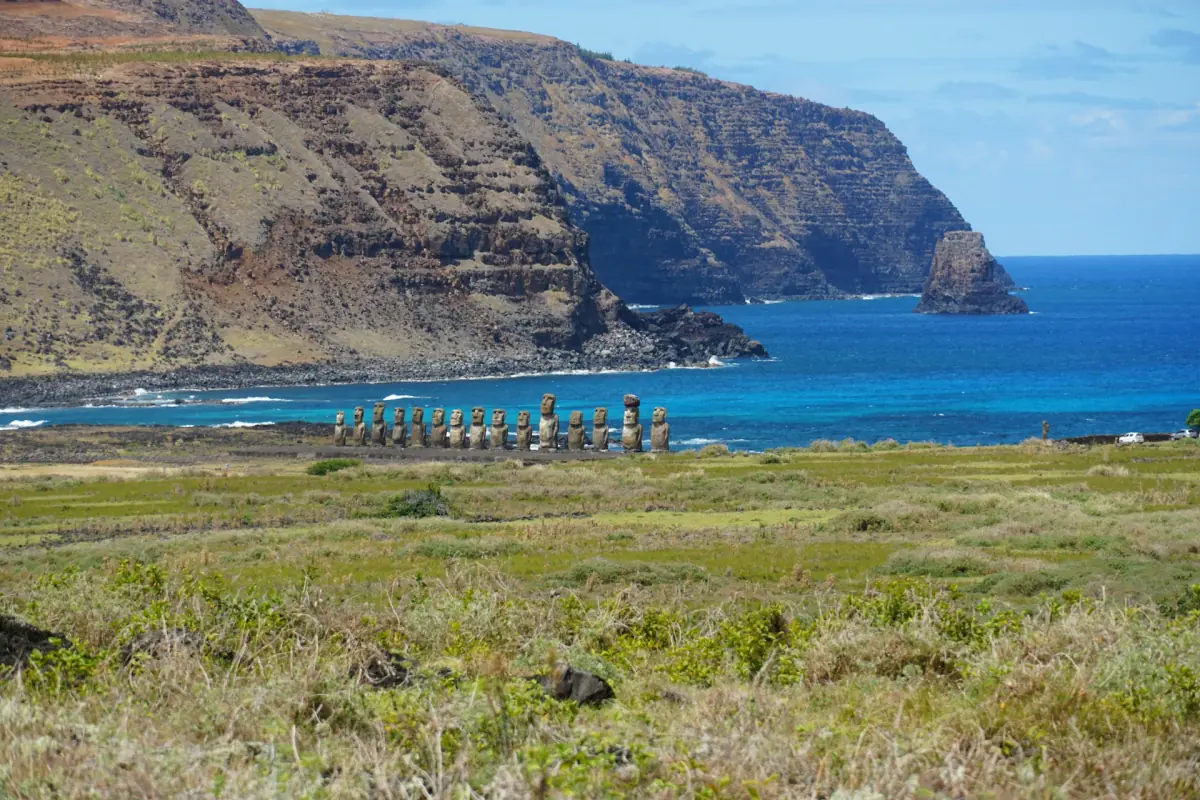
Planning a visit to Rapa Nui National Park
Rapa Nui National Park brings together protected archaeological places and the landscapes around them. Ma’u Henua manages the park. Before visiting, buy a park ticket and arrange a guide accredited by Ma’u Henua. These are separate requirements, so build both into the plan rather than treating transport to a monument as the whole visit.
Start with the sites that matter most to the itinerary. Rano Raraku and Orongo each allow one visit per ticket. Put each into a definite part of the route and coordinate the programme with the guide. This is particularly useful when combining a longer island outing with a separate visit focused on the crater or the quarry.

Tours of island sites
Choose private transport on an island highlights tour, or a two-day package with a certified local guide. Another two-day tour includes a native guide and transport.
Hand-picked tours, booked through GetYourGuide and Viator. Prices are indicative starting prices in US dollars (as of November 2026). Tap a tour for live availability and the current price in your currency.

Private island highlights tour
- Professional guide
- Transport by private vehicle
Arrange the pickup time. Park ticket extra; port pickup is not included.
Check availability →
Two-day Moai and nature tour
- Included transportation
- Native Guide
Confirm the meeting point and park ticket arrangements before booking.
Check availability →
Two-day island sites package
- Certified local guide
- Shared transport
- Visit to Orongo Ceremonial Village
The package also lists Rano Kau and other island sites. Confirm pickup and park ticket arrangements.
Check availability →Guided routes through the park
A six-hour private highlights route and two-day programmes offer different ways to organise the archaeological visits, with transport and guide services according to the selected product.
Buying the ticket and arranging an accredited guide
Use the sales platform linked from the park administration's official website to reach the official purchase channel. Read the current ticket conditions and fee before buying. The park ticket has a validity of ten days; use the conditions attached to the ticket when deciding which dates to assign to the visits.
Keep the entrance ticket separate from the excursion booking. The private highlights tour lasts six hours and includes a professional guide, private vehicle and hotel pickup and drop-off. Park admission, food and drinks are extra, and port pickup is excluded. This option suits a day allocated to a private guided excursion, with the entrance arrangements handled separately.
The two-day island programme with shared transport includes a certified local guide and accommodation pickup and drop-off. Its included visits name Orongo, the Rano Kau crater viewpoint, Rano Raraku, Tongariki and Anakena, among other stops. The two-day highlights programme includes transportation and a native guide. Compare the span of the programme with the days available, rather than treating a two-day package as a short outing.
Single-entry places and daily access
At Rano Raraku, moai in different stages of manufacture make the quarry a distinct part of an archaeology itinerary. Orongo offers a ceremonial village, stone buildings and petroglyphs beside the Rano Kau crater. Because each site permits one visit per ticket, avoid planning an introductory stop followed by a return visit on the same ticket.
The park uses daily access assessments. Rain, wind, slippery or muddy paths and poor visibility can affect the status of a place. A caution status and a temporary closure have different meanings, so follow the current instructions for the site. Wind checks at Orongo's crater edge can lead to short-notice restrictions.
For Tongariki sunrise visits, follow the arrangements of the particular booked excursion. A sunrise product has its own visit arrangements; plan it with the guide instead of extrapolating from general entry information. Leave room in the itinerary to respond to the day's access decisions.
Paths, terrain and protection
Stay within marked routes and boundaries. Moai and ahu must not be touched or climbed, and stones, objects and natural materials must remain in place. The moai guide explains how the figures and ceremonial platforms fit together. Knowing what is being protected helps make the boundaries part of the visit rather than an obstacle to it.
Rano Raraku includes slopes and exposed sections. Wear sturdy walking footwear and carry water and sun protection. Orongo has uneven ground, inclines and potentially strong wind. At Rano Kau, keep to approved paths and viewpoint boundaries; do not sit on or lean against safety railings. View the crater lagoon from the permitted areas.
Fire, smoking, alcohol, camping and pets are prohibited in the park. Bicycles belong only on approved routes. A rental vehicle changes how the party reaches a place, while the guide and entrance requirements still apply. Plan travel to a site and permission to enter it as separate parts of the day.
Caves, drones and specialist plans
The cave rules published on 8 October 2026 require a helmet throughout the visit, a lamp, closed shoes and a signed prevention form. The group limit is eight visitors per guide, and the form remains with Muto’i Henua staff. Include those arrangements when a route features a cave visit.
Drones and commercial photography need permission. Organise permission before planning those activities at protected places. For a broader selection of stops and activities outside a single park route, see things to do on the island.
Park planning questions
Does buying a park ticket provide a guide?
Arrange the park ticket and the accredited guide separately. Check the chosen excursion's included services when organising transport and guiding.
Can Rano Raraku and Orongo be visited twice?
Each allows one visit per park ticket. Coordinate those visits with the route and use the ticket conditions to plan dates within its ten-day validity.
Does hiring a car change the entry requirements?
The guide requirement remains when travelling by rental vehicle. Arrange the journey, accredited guide and park ticket together before setting out.