Choosing things to do on Easter Island
Things to do on Easter Island range from exploring moai sites with an accredited guide to walking through Hanga Roa, visiting Anakena and looking towards the Pacific from Tahai. Start with the kind of day wanted: archaeology, a coastal visit or time in town. Then connect the places without making every outing another long list of stops.
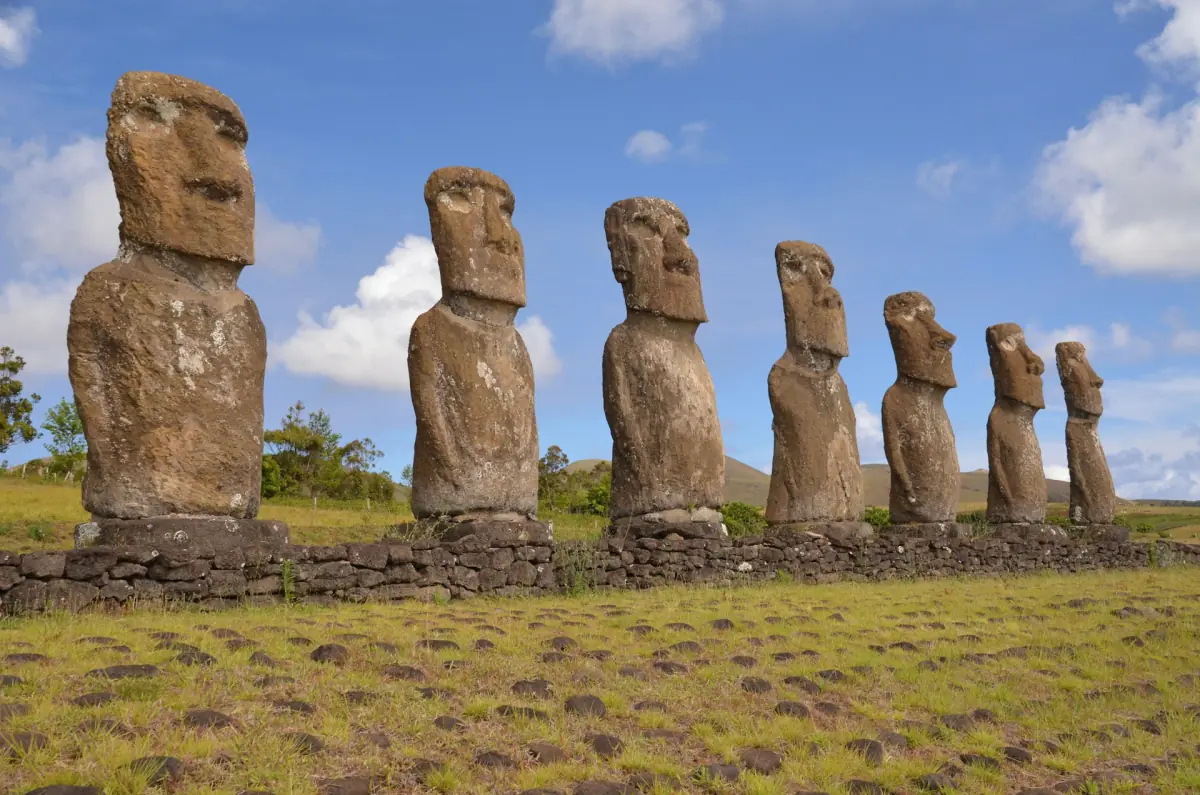
Rapa Nui is a living Polynesian culture as well as an archaeological destination. Moai represent ancestors and ahu are ceremonial platforms. Craft markets, local food and the Santa Cruz church in Hanga Roa add a contemporary perspective. A balanced plan gives attention to both the protected monuments and the island community.
Moai, quarry and ceremonial village
For an archaeological starting point, compare the different settings rather than choosing only by the photograph. Rano Raraku is the quarry, with figures in different stages of manufacture. Ahu Tongariki has 15 re-erected moai on a ceremonial platform. Each brings a different aspect of the island's heritage into view.
Orongo and Rano Kau bring together the ceremonial village, stone buildings, petroglyphs and crater landscape. Orongo is linked to the historical Tangata Manu ceremony. Keep the story of that practice separate from today's visit, which follows protected paths and viewpoint boundaries.
Arrange the park ticket and an accredited guide before visiting protected sites. Rano Raraku and Orongo each permit one visit per ticket. Select a place for its particular interest and coordinate the route so that these single entries fit into the wider stay.

Explore archaeological sites
This island day includes six archaeological site visits with a Rapa Nui guide.
Hand-picked tours, booked through GetYourGuide. Prices are indicative starting prices in US dollars (as of November 2026). Tap a tour for live availability and the current price in your currency.

An archaeology day from Hanga Roa
A six-hour route includes six archaeological visits, a Spanish- and English-speaking Rapa Nui guide and hotel transfers within Hanga Roa.
Anakena and the coast
Anakena combines a white coral-sand beach with the nearby monuments of Ahu Nau Nau and Ature Huki. Treat the beach and the protected ceremonial platforms as different parts of the visit. The platforms have their own access requirements, and the figures and structures must not be touched or climbed.
Make time for the landscape without assuming that a beach description settles the day's swimming conditions. Follow local warnings and the instructions for the area. Leave sand, stones and other natural materials in place. The same care applies to a coastal outing as to an archaeology stop.
Hanga Roa and sunset at Tahai
Hanga Roa is the main town and service centre. Its walkable town area includes craft markets, food options and dive centres. Santa Cruz church combines Christian and Rapa Nui imagery. This makes town time a useful part of getting to know the island, alongside excursions to the archaeological sites.
Tahai, near the town area, is a place to consider for sunset. Keep that evening separate from a tightly packed excursion programme so there is room to respond to conditions. The archaeological boundaries still matter when the purpose of the visit is a view or a photograph.
For the guided archaeology day, hotel pickup and drop-off cover the Hanga Roa urban area. The vehicle is private for one to four travellers and a small-group vehicle for five to twelve. There is an hour's lunch break, while lunch, drinks and the park ticket are extra. Use this as a structured archaeology day and keep other activities as separate plans.
Active outings and respectful visiting
Boat and snorkelling activities, diving and horseback riding offer other ways to spend time on the island. Follow the detailed snorkelling, diving and riding pages to choose by the actual activity and its participation requirements. Weather conditions and the needs of the participant belong in that decision.
For marine outings, watch turtles from a distance without touching, feeding or crowding them, and leave coral in place. At archaeological sites, stay on approved paths and leave objects undisturbed. Carry water and sun protection for exposed places; use sturdy footwear where there are slopes or uneven ground. The park guide brings the entry and protection rules together.
Questions about planning activities
Where should an archaeology visit begin?
Choose between the quarry at Rano Raraku, the platform setting at Tongariki and the ceremonial village of Orongo according to your interests. Coordinate the route with an accredited guide.
Where can sunset fit into the plan?
Tahai is a sunset setting near Hanga Roa. Leave room around the evening visit and respect the archaeological boundaries while taking photographs.
Does the guided day include other activities?
The six-hour option focuses on archaeology. Diving, riding, hiking and boat trips are optional additional activities outside its included programme.